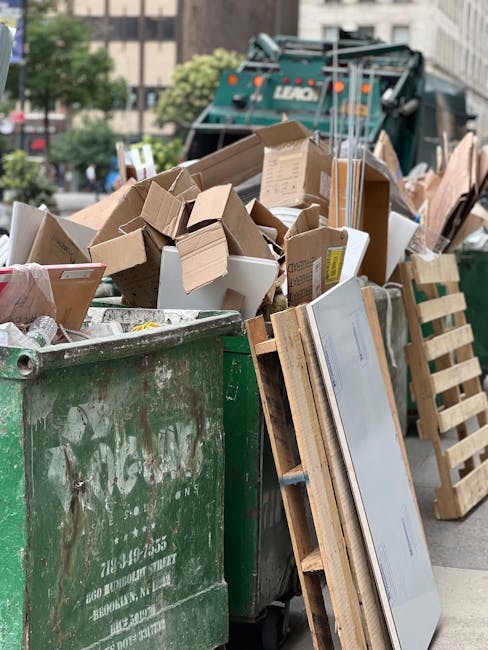
Harold Wood waste disposal laws: what homeowners must know

If you live in Harold Wood, waste disposal can feel simple right up until it isn't. A skipped bin day, a bulky sofa left out too early, a black bag in the wrong place, and suddenly you are dealing with complaints, fines, or a very awkward knock on the door. This guide on Harold Wood waste disposal laws: what homeowners must know explains the basics in plain English, so you can clear a house, garden, loft, or garage without guessing your way through the rules.
The aim here is practical, not preachy. You will learn what usually counts as household waste, where homeowners tend to trip up, how lawful disposal works in everyday life, and when it makes sense to use a professional collection service instead of taking risks. Truth be told, most problems happen because people are busy, not careless. That is fixable.
Why Harold Wood waste disposal laws matter
Homeowners often only think about waste when they are already standing in a hallway full of cardboard, broken furniture, old paint tins, and a bin that is somehow full three days before collection. The legal side matters because waste is not just "rubbish" once it leaves your home. It becomes a responsibility issue: who produced it, who carried it, where it went, and whether it was handled correctly.
In Harold Wood, as across Greater London, waste disposal rules are designed to stop fly-tipping, nuisance, blocked pavements, pests, unsafe dumping, and environmental damage. That sounds obvious, but the knock-on effects are very real. One badly placed pile of waste can attract vermin. One abandoned mattress can become someone else's problem. And one unlicensed carrier can leave you with the blame if the load is dumped down a lane a few streets away.
There is also a reputational side, even for homeowners. If waste is left outside the property in a way that causes obstruction or looks untidy for too long, neighbours may complain. In a dense residential area, that friction builds quickly. Nobody wants to be the house with the splintered wardrobe on the pavement and a trail of polystyrene in the hedge. Not a great look.
Expert summary: the safest approach is to treat household waste as your responsibility until it has been collected by a lawful service, taken to an approved facility, or transferred to someone who is properly permitted to carry it.
If you are planning a clear-out alongside a move, it can help to think beyond disposal alone. Services like home moves, house removals, and furniture pick up are often part of the same bigger job, especially when you are decluttering before moving day.
How Harold Wood waste disposal laws: what homeowners must know works
At a basic level, lawful waste disposal for homeowners follows a simple chain. You sort the waste, store it safely, move it using the right method, and hand it over only to an appropriate collection route. That may sound neat on paper. In real life, a half-filled garage and a Sunday afternoon rarely cooperate. Still, the principle holds.
1. Identify the type of waste
Different waste streams are handled differently. General household rubbish is not the same as garden waste, electrical items, construction rubble, paint, batteries, or old appliances. Some items can go in household collections, some need a recycling centre, and some should only be handled by a licensed waste carrier. If you are unsure, assume it needs extra care until you have checked.
2. Separate what can be reused, recycled, or disposed of
This is where a little discipline saves a lot of hassle. Good sorting reduces cost and reduces the chance of illegal dumping. Reusable furniture can sometimes be passed on. Cardboard, scrap metal, textiles, green waste, and certain plastics may be recyclable. Hazardous items need especially careful handling. A leaking tin of paint, for example, should not be treated like an old cereal box. You know that already, but it is amazing how often people find themselves tempted to "just put it with the rest."
3. Use the correct collection route
For homeowners, lawful routes typically include the household collection service, a council-approved disposal facility, or a properly licensed private waste carrier. If a company or individual is removing waste from your property, ask yourself one key question: would I be comfortable explaining where this waste went if asked later? If the answer is no, stop there.
4. Keep records where it makes sense
You do not need a formal filing system for every bag of rubbish. But if you are using a private service for a larger clear-out, it is wise to keep paperwork, receipts, and details of what was collected. That creates a basic paper trail. It is boring, yes. Also useful.
For more complex household jobs, homeowners often choose a broader service rather than arranging disposal themselves. man with van and removal services can be helpful when waste removal is bundled with moving furniture, clearing a shed, or shifting bulky items safely from inside the house.
Key benefits and practical advantages
Following the rules is not only about avoiding penalties. It makes life easier in ways people notice very quickly. The house feels calmer. Access routes stay clear. You are less likely to have last-minute panic on collection day. And perhaps best of all, the job gets done once instead of in three messy attempts.
- Lower risk of fines or complaints: Proper disposal reduces the chance of enforcement issues and neighbour disputes.
- Less clutter and better safety: Clear hallways, paths, and gardens reduce slips, trips, and blocked exits.
- Better recycling outcomes: Sorting waste correctly keeps reusable materials out of landfill where possible.
- Less stress before moving: A tidy property is easier to clean, photograph, sell, or hand over.
- More predictable costs: Legal disposal is usually cheaper than trying to fix a mistake later.
There is also a very practical benefit that people sometimes overlook: timing. A well-planned disposal routine means you are not trying to shift a broken wardrobe at 8:30 p.m. with the rear seat folded down and the rain starting. We have all seen that sort of evening. It is rarely elegant.
Who this is for and when it makes sense
This guidance is relevant if you are a homeowner in Harold Wood and any of the following sound familiar:
- you are clearing out before a move
- you have old furniture or appliances to get rid of
- you are dealing with garden waste after a big tidy-up
- you are renovating a room and generating mixed rubbish
- you are helping an older relative sort belongings safely
- you simply have too much stuff in the loft, shed, or garage
It also matters if you are comparing disposal routes. Some homeowners can manage with their normal bins and a trip to a recycling site. Others need a private collection because they have bulky, heavy, or awkward waste that is difficult to transport. That is where services like man and van, removals near me, and house removals become relevant, especially if the job involves more than a couple of bags.
A realistic example: a family clears a spare room after years of storage. They have broken office chairs, an old chest of drawers, mixed cardboard, a printer, and several black sacks. The waste is too much for standard household bins, but not quite a full house move. In that situation, the key question is not just "how do we move it?" but "how do we move it lawfully?"
Step-by-step guidance
Here is a straightforward process you can follow without overcomplicating it.
- Walk the property and list the waste types. Separate general waste, recyclables, garden waste, electricals, furniture, and anything potentially hazardous.
- Check what can be reused. Good condition items may be donated, sold, or passed on rather than disposed of.
- Decide what is too bulky or heavy for your own vehicle. That is often the moment a professional collection becomes the sensible choice.
- Choose a lawful disposal route. Use the household collection service where appropriate, or book a reputable carrier for larger jobs.
- Keep pathways clear while the waste is waiting to go. In a busy hallway or on a narrow frontage, safety matters.
- Get the load removed promptly. The longer waste sits around, the more likely it is to become a nuisance or an eyesore.
- Check the outcome. Make sure nothing has been left behind and that the area is left tidy.
If the task is tied to moving day, packing and staging the home matter too. It may be worth looking at packing and unpacking services alongside a collection plan, especially if you want to avoid cross-contamination between keep, donate, recycle, and dispose piles.
A simple rule of thumb
If an item is awkward, dirty, heavy, or electrically powered, give it a second thought before dumping it with general waste. That one check prevents a lot of problems.
Expert tips for better results
From experience, the best waste clear-outs are the ones planned the day before, not improvised in the driveway. Small decisions make a big difference.
- Use clear labels on boxes and bags. "Recycle," "keep," "dispose," and "charity" is enough to stop confusion later.
- Take photos of mixed waste before booking a collection. It helps you estimate volume and avoid under-ordering a van.
- Separate hazardous items early. Batteries, paint, and chemicals should not be left in a general pile.
- Think about access. Narrow hallways, stairs, low garden gates, and parked cars can slow the job more than the waste itself.
- Don't overfill bags. Overstuffed sacks split at the worst moment. Usually when you are halfway to the vehicle, naturally.
- Choose a service that matches the job size. A small load may suit movers or a moving van, while bulkier clearances may need a larger setup.
One small local reality: Harold Wood streets can get busy at school-run and commuter times. If your collection involves parking outside, give yourself a time buffer. Nothing dramatic, just enough breathing room so you are not rushed. Rushed is where mistakes happen.
Common mistakes to avoid
Most waste problems are not complicated legal puzzles. They are ordinary mistakes repeated often enough to become expensive.
- Leaving waste on the pavement too long. If it blocks access or becomes a nuisance, that can cause complaints.
- Assuming someone else will handle it properly. If you hired an unlicensed carrier, responsibility can still come back to you.
- Mixing hazardous items with general rubbish. This is unsafe and often non-compliant.
- Booking the wrong size vehicle or service. Too small means multiple trips; too large means wasted money.
- Ignoring recycling opportunities. Recyclable material in the wrong pile is just lost value.
- Forgetting about bulky items early. The old sofa is rarely the last thing to worry about, but it often becomes the hardest thing to remove.
Another common one is leaving the whole job until the night before a move. A couple of bags, fine. A full garage of mixed items? That turns into a late-night shuffle with dust, tape, and somebody muttering about why they kept three spare lampshades. Familiar scene, honestly.
Tools, resources and recommendations
You do not need a toolkit in the engineering sense. But a few simple tools make waste disposal much easier and safer.
| Tool or resource | What it helps with | Why it matters |
|---|---|---|
| Strong sacks or boxes | Sorting mixed waste | Reduces breakage and makes loading easier |
| Marker pens and labels | Identifying waste streams | Stops good items being thrown away by mistake |
| Gloves | Handling sharp or dirty items | Basic protection for hands and fingers |
| Tape measure | Estimating bulky items | Helps you choose the right vehicle or collection size |
| Rubbish bags with thick gauge | Heavy general waste | Less likely to split mid-carry |
| Professional removal support | Bulky or time-sensitive clearance | Useful when the job is bigger than a simple bin run |
When you want a service that is clear about safety and responsibility, it is sensible to read pages such as health and safety policy, insurance and safety, and recycling and sustainability. Those pages can help you judge whether a provider takes handling and disposal seriously.
If you are comparing providers, also look at pricing and quotes and terms and conditions. Clear pricing and clear rules usually go hand in hand. Fuzzy pricing tends to hide fuzzy service. Simple as that.
Law, compliance, standards, or best practice
Without pretending to give legal advice, homeowners should understand a few core principles. In the UK, waste disposal is regulated, and the person producing the waste has a duty to make reasonable sure it is handled properly. That is the safe, plain-English version. If you pass waste to a third party, you should be satisfied they are allowed to take it and that the waste will be dealt with appropriately.
Best practice for homeowners in Harold Wood includes the following:
- use your normal collection system where the waste type is allowed
- separate recyclables from general rubbish wherever possible
- keep hazardous items out of mixed waste
- only use services that look professional, insured, and transparent
- get a basic record or receipt for larger clearances
- avoid leaving waste in a way that obstructs public areas
For jobs involving property clearances, garden waste, furniture, or moving related items, a well-organised provider can reduce your risk. That is why homeowners often compare broader services such as removal company, removal companies, and removal van. The right choice is the one that fits the actual load, not the fanciest name on the page.
Options, methods, or comparison table
There is no one correct disposal method for every household, so it helps to compare the usual options side by side.
| Method | Best for | Pros | Watch out for |
|---|---|---|---|
| Household bin collection | Small, permitted everyday waste | Convenient, familiar, usually low effort | Not suitable for bulky, hazardous, or excess waste |
| Recycling / reuse | Cardboard, metal, textiles, usable items | Environmentally better, often cheaper | Needs sorting and a little planning |
| DIY transport | Moderate loads you can safely lift and carry | Flexible, direct control | Time, parking, lifting, and vehicle space can be limiting |
| Professional collection | Bulky, mixed, awkward, or time-sensitive waste | Less stress, safer handling, more efficient | Check service scope, access, and pricing clearly |
If you are at the stage where the garage looks like a small archive of forgotten life choices, professional help is often the least painful route. A short, well-planned removal can beat three weekends of dragging things in and out of the car. No contest, really.
Case study or real-world example
A Harold Wood homeowner was preparing for a spring move and found that the house looked tidy until the loft hatch was opened. Then came the usual mix: old suitcases, broken shelving, a mattress topper, boxed toys, cardboard, and a rusted garden table. None of it was especially unusual, but all of it together became a headache.
At first, the family planned to do it in stages. That worked for about an hour. Then the weather changed, the pile in the hall grew, and the question of where each item should go became messy. They paused, sorted the items into keep, recycle, and dispose groups, and booked a suitable collection rather than trying to squeeze everything into a car.
The result was boring in the best possible way. The hallway cleared, the garden path stayed accessible, and the move could continue without arguments about who was taking the old desk. Sometimes boring is the goal. Boring means compliant, tidy, and done.
The lesson is straightforward: if waste disposal is linked to a move or home project, plan it early and keep the process simple. That is usually where the savings come from, not from cutting corners.
Practical checklist
Use this quick checklist before you book any waste collection or start moving items out of the house.
- Have I separated general waste, recycling, bulky items, and hazardous materials?
- Do I know what can be reused or donated?
- Is anything sharp, wet, leaking, or broken in a way that needs protection?
- Can I safely lift and carry the items without injury?
- Do I have enough access for the vehicle or collection team?
- Have I checked the service details and pricing clearly?
- Am I keeping records for larger clearances?
- Will the waste be removed promptly and lawfully?
- Have I protected floors, walls, and door frames from damage?
- Do I know who to contact if something goes wrong?
If you are dealing with a bigger property move at the same time, it may also help to review moving truck, removal truck hire, and removals van so you can match the vehicle to the volume rather than guessing.
Conclusion
Harold Wood waste disposal laws are not there to make homeowners miserable. They are there to keep streets safe, homes tidy, and waste moving through the system properly. Once you understand the basics, the whole thing becomes far less intimidating. Separate your waste, use the right route, avoid shortcuts, and be cautious about who handles your rubbish.
That approach protects you, protects your neighbours, and usually saves time as well. Whether you are clearing a single room, getting ready for a move, or dealing with a bigger household sort-out, the same rule applies: plan it properly and you will almost always have an easier day.
Get a free quote today and see how much you can save.
If you are still deciding how to handle a bulky clearance or a move-related clean-up, start with the safest option, ask clear questions, and choose the service that makes the process feel calm rather than chaotic. Small choice, big difference.
Frequently Asked Questions
What should homeowners in Harold Wood do with bulky waste?
Bulky waste should be separated from ordinary household rubbish and taken through a lawful collection route. That may mean a special pickup, reuse, or disposal through a properly arranged service. Leaving it outside without a plan is where trouble starts.
Can I put old furniture out on the pavement?
Not without checking local rules and arranging the right collection. Furniture left out casually can be treated as fly-tipping or a nuisance if it obstructs the pavement or stays there too long.
Do I need a licensed carrier for home waste removal?
If someone else is collecting your waste for disposal, yes, it is wise to make sure they are properly permitted and insured. For larger loads, ask for clear details of what happens to the waste after pickup.
What items count as hazardous household waste?
Common examples include batteries, paint, chemicals, certain electricals, and items that leak or contain substances that need special handling. If you are unsure, treat it as a separate category and do not mix it with general rubbish.
Is garden waste treated the same as general waste?
No. Garden waste is often handled differently from mixed household rubbish. It is usually cleaner to separate green waste from other materials so it can be managed or recycled appropriately.
What happens if my waste is dumped by the person I hired?
That is a serious issue. If a waste carrier dumps your rubbish illegally, responsibility can still come back to you if you did not take reasonable care when choosing them. This is why paperwork and due diligence matter, even for a modest job.
How can I tell whether a collection service is suitable?
Look for clear pricing, plain explanations of what they will remove, evidence of insurance, and sensible terms. If a provider is vague about where the waste goes, that is a red flag. Probably best to walk away.
What is the safest way to clear waste before moving house?
Sort the items early, keep reuse and recycling separate, and arrange collection before moving day if possible. Services such as man with van removal or house removalists can be useful where waste disposal and moving overlap.
Can I mix recycling and rubbish if I am in a rush?
You can, but you really should not. Mixed loads are harder to manage, may cost more to process, and can reduce the chance of recyclable material being recovered. A few extra minutes sorting now can save a lot later.
Do homeowners need to keep records for waste disposal?
For small household bin use, usually not. For larger removals or any private collection, keeping a receipt or basic record is sensible. It gives you proof that the waste was handed over properly.
What if I only have a small amount of waste?
For a small amount, your normal collection or a straightforward run to the appropriate facility may be enough. The key is not to overcomplicate it. If it fits safely and lawfully into your existing route, keep it simple.
When is it better to use a professional service?
Use a professional when the waste is bulky, mixed, awkward to lift, time-sensitive, or likely to require more than one trip. It is especially sensible when you want the job done safely and without messing about in the rain at the end of the day.
In the end, sensible waste disposal is really about making the household feel manageable again. A clear space is easier to live in, easier to move from, and much easier to enjoy.