Gubbins Lane to Brentwood Road moves: Harold Wood van tips
Posted on 22/05/2026
Moving between Gubbins Lane and Brentwood Road can look like a short local job on paper, but anyone who has actually done it knows the difference between a smooth move and a frustrating one often comes down to the small stuff. Parking, access, awkward furniture, timing, and how you load the van all matter. If you are planning Gubbins Lane to Brentwood Road moves: Harold Wood van tips are less about theory and more about practical decisions that save time, protect your belongings, and stop the day turning into a scramble.
This guide pulls together the real-world advice people need before moving in Harold Wood. You will find packing tips, lifting guidance, local moving considerations, service comparisons, and a clear step-by-step plan. Along the way, there are links to useful supporting guides such as packing strategies that save time and space and decluttering techniques for a calmer move, because let's face it, a move is always easier when fewer boxes are coming with you.
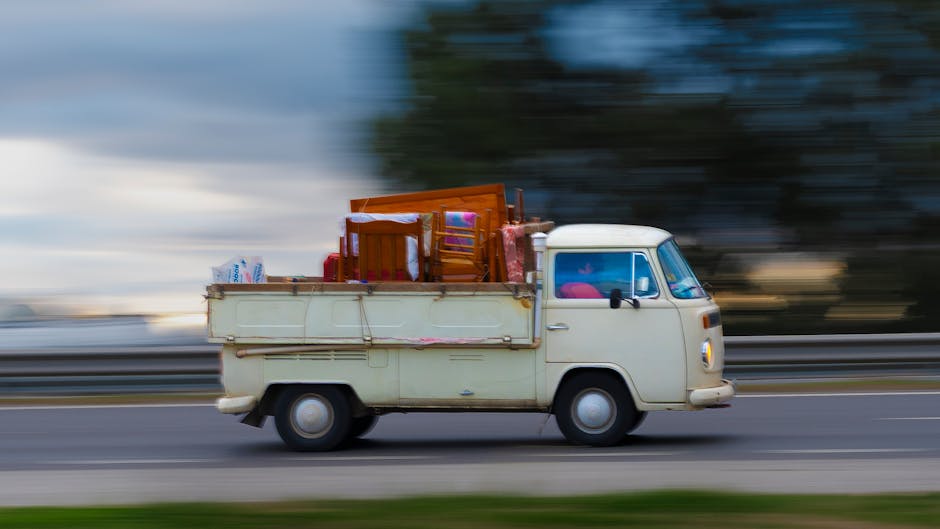
Why Gubbins Lane to Brentwood Road moves: Harold Wood van tips Matters
A move across Harold Wood can be deceptively simple. It is a local route, not a cross-country haul, so people often assume it will be quick, cheap, and easy. Sometimes it is. But local moves have their own hidden friction points: tight driveways, limited curb space, flats with stairs, weather that changes by the hour, and the classic problem of "where did we put the kettle?"
For homes and small businesses moving between Gubbins Lane and Brentwood Road, the main challenge is usually not distance. It is coordination. A van can be booked for the right time, but if your boxes are still open, your sofa is not protected, or the lift is too small for the mattress, the whole day slows down. That is why local van tips matter. They help you plan for the practical reality rather than the ideal version of moving day.
There is also a value angle. A well-planned move may reduce the number of trips needed, lower the risk of damage, and make it easier to use the right service for the job. If you are comparing options, the main removal services overview can help you understand what is available before you commit to anything.
Expert summary: For short local moves, the biggest win is usually not speed alone. It is reducing friction: better packing, clearer access, smarter loading, and the right size van for the property you are leaving and the one you are entering.
How Gubbins Lane to Brentwood Road moves: Harold Wood van tips Works
Think of a local van move as a chain of small decisions. Each one affects the next. If the first box is packed badly, loading gets awkward. If access is poor, the van sits idle while someone shuffles furniture around a hallway. If the van is too small, the route is no longer "short"; it becomes two stressful runs with extra handling in between.
In practice, the process usually works like this:
- Assess what you are moving and how much space it will need.
- Sort items by fragility, weight, and urgency.
- Prepare both addresses for access and parking.
- Load the van in a stable, space-efficient order.
- Unpack essentials first so the new place feels liveable fast.
That sounds simple, but the details matter. For example, a wardrobe that comes apart easily is very different from a heavy one-piece cabinet. Likewise, a studio flat move is not the same as a family home with a freezer, piano, and bike storage. If you need a more tailored approach, pages like flat removals in Harold Wood and house removals support can be useful starting points.
One small but important point: a local move still benefits from route awareness. Gubbins Lane and Brentwood Road are close enough that timing can look trivial, but school runs, commuter traffic, and parking pressure can all change the actual move window. A departure at 8:30 and one at 10:30 may feel like different jobs altogether.
Key Benefits and Practical Advantages
Good van planning is not glamorous. But it pays off in ways you notice immediately.
- Less damage: Proper wrapping, padding, and stacking reduce the risk of scratched furniture and crushed boxes.
- Fewer delays: Clear access and a sensible load order keep the day moving.
- Lower stress: When essentials are labelled and loaded in the right sequence, you are not hunting for chargers at 9 p.m.
- Better value: Efficient loading can mean fewer journeys and less labour time.
- Safer lifting: The right technique protects your back, your grip, and the item you are carrying.
There is a psychological benefit too. A move feels lighter when the plan is clear. Even a small sense of control changes the mood of the day. If you have ever stood in a doorway holding a box of books while trying to remember which room the bedding went in, you know what I mean. It is the little things.
For people trying to create a calmer process, it helps to combine the move with decluttering and a good packing system. The guide to packing to save time and space pairs nicely with this article because it focuses on the load itself, not just the box count.
Who This Is For and When It Makes Sense
This kind of local move advice is helpful for a wide range of people, but especially if you are dealing with one of these situations:
- Flat-to-flat moves: stairs, narrow hallways, and limited parking can make even a short move awkward.
- Households with larger furniture: sofas, beds, wardrobes, and dining tables need planning.
- Students or first-time renters: you may have fewer items, but less experience with packing and lifting.
- Small offices or home offices: computers, monitors, filing, and desks need protection and sequencing.
- People moving at short notice: same-day or next-day arrangements leave little room for error.
If you are moving only a few items, a simple man-and-van setup may be enough. If the job is bigger, you may want a broader removals service. A useful place to start is man with a van in Harold Wood, which suits smaller local loads, and removals in Harold Wood for larger or more complex moves.
To be fair, not every move needs a big team. But if you are carrying awkward furniture down a staircase on a wet Tuesday morning, having the right help suddenly feels very sensible. Funny how that works.
Step-by-Step Guidance
Below is a practical order you can follow for a Gubbins Lane to Brentwood Road move. It is simple enough for a small household move, but still structured enough to avoid the usual chaos.
1. Walk both properties before move day
Check door widths, stair turns, parking space, and any tight corners. A wardrobe may fit through the front door but not around the landing. Measure if needed. A tape measure is boring, yes, but it is cheaper than repairing a door frame.
2. Separate essentials from non-essentials
Pack a first-night bag with chargers, toiletries, medication, documents, snacks, kettle items, and a change of clothes. Keep it with you rather than in the van if possible.
3. Declutter before you pack
Moving unused items is wasted effort. Use the move as the moment to make honest decisions. The guide on decluttering for a stress-free move is especially useful if you have drawers full of "I might need this one day" items.
4. Pack room by room
Label boxes clearly by room and priority. "Kitchen - fragile - open first" is much better than "misc.", which in practice means "future-you will be mildly annoyed."
5. Protect furniture properly
Use blankets, wrap, and straps where needed. Sofas, tables, and chairs should not slide around the van. For couch care, see storage strategies for protecting a couch long term; many of the same ideas help during transport too.
6. Load heavy items first
Put heavier, stable items at the base and against the van wall. Build around them with lighter boxes. The goal is a dense, balanced load, not a game of moving Tetris under pressure.
7. Keep delicate or awkward items separate
Mattresses, mirrors, TVs, and musical instruments often need specific handling. For beds, the article on moving beds and mattresses like a pro offers very practical advice. If you are dealing with a piano, it is best not to improvise; the risks are real, as explained in why moving a piano without help can go wrong.
8. Confirm unloading priorities at the new address
Before the van arrives, decide what should come off first. Usually that means bed frames, bedding, kettle, bins, toiletries, and any work-from-home kit.
9. Do a final sweep
Check cupboards, loft space, under beds, and shed corners. These are the places where keys, cables, and chargers often hide. Quietly, they do love hiding.
10. Unpack in the right order
Start with the room that keeps life functional: kitchen or bedroom, depending on your household. Once basics are in place, the rest feels much less overwhelming.
Expert Tips for Better Results
A few small choices can make a local move noticeably better. These are the kind of things experienced movers think about almost automatically.
- Book the right vehicle size: Too small means extra trips. Too large may be harder to park. A sensible match saves time.
- Use consistent box sizes: They stack better and are easier to carry. Mixed boxes look harmless until the pile starts leaning.
- Label by room and fragility: Colour-coding helps if several people are unloading.
- Keep screws and fittings attached to the furniture: Small bags taped to the item save huge amounts of time later.
- Protect floors and walls: Especially in narrow hallways or rented property.
- Think about the weather: Rain changes everything. Wet boxes, slippery steps, and muddy footprints are an unhelpful trio.
If you are handling heavier lifting yourself, learn the basics first. The guides on kinetic lifting and lifting heavy things safely on your own cover posture, grip, and the limits of solo lifting. Truth be told, some items are simply not worth the gamble.
Another good habit is to keep a small tool kit with you: screwdriver, tape, utility knife, marker pen, and zip bags. Nothing fancy. Just the stuff that saves a hundred tiny headaches.

Common Mistakes to Avoid
Most moving problems are not dramatic disasters. They are minor mistakes that stack up. And then suddenly the day feels twice as long as it should.
- Underestimating the load: Many people forget how much space mattresses, lamps, and kitchen items actually take.
- Packing too late: The night-before rush usually leads to poor labelling and overfilled boxes.
- Using weak boxes: Old supermarket boxes may fold, split, or sag under weight.
- Ignoring access constraints: If the van cannot stop close to the door, loading time rises quickly.
- Overloading boxes: A box of books may be small, but it can still be brutally heavy.
- Forgetting appliance preparation: Fridges and freezers need care before they are moved or stored. See how to store a freezer safely between uses if this is part of your plan.
- Not checking insurance or service terms: It is wise to know what is covered before the move starts.
One more thing: do not assume every item can be taken apart and reassembled quickly. Some furniture is straightforward; some is a headache in disguise. Ask early, not halfway through the job with an Allen key and a rising sense of regret.
Tools, Resources and Recommendations
Good tools do not just make moving easier; they reduce stress. You do not need a van full of specialist kit for a local Harold Wood move, but a few items make a real difference.
| Tool / Resource | Best Use | Why It Helps |
|---|---|---|
| Strong moving boxes | General packing | Stack better and protect contents more reliably |
| Bubble wrap / packing paper | Fragile items | Reduces breakage and movement inside boxes |
| Furniture blankets | Sofas, tables, cabinets | Protects surfaces from scratches and bumps |
| Ratchet straps or load straps | Van securing | Helps stop shifting during transport |
| Marker pens and labels | Box organisation | Makes unloading and unpacking much faster |
| Gloves and trolley | Heavy or awkward items | Improves grip and reduces strain |
If you need supplies, the page on packing and boxes in Harold Wood is a sensible place to look. If you want a wider service comparison, removal van options and man and van services can help you judge which approach suits the size of your move.
For larger properties or more structured moves, it is also worth reading about furniture removals in Harold Wood because bulky items often shape the whole job. One sofa can alter the plan more than ten boxes of kitchenware. Honestly, it happens all the time.
Law, Compliance, Standards, or Best Practice
For a local home move, the main compliance issues are usually practical rather than bureaucratic. Still, they matter. If a vehicle is parked where it should not be, a doorway is blocked, or items are carried unsafely, the problems can become expensive or dangerous fast.
Best practice in the UK moving context generally means:
- loading in a way that avoids shifting cargo;
- using safe lifting techniques and avoiding unnecessary solo lifting;
- checking access routes before moving heavy items;
- respecting building rules in flats, estates, or managed properties;
- being clear about any insurance cover and service terms before the job starts.
It is also sensible to confirm whether your move affects shared entrances, parking bays, or quiet hours if you live in a managed building. A polite quick check with neighbours or the building manager can save awkwardness later. Not glamorous, but effective.
For peace of mind, review insurance and safety information, and if you want to understand how the business handles customer confidence and data, the pages on payment and security and terms and conditions are worth a quick read. For broader company details, the about us page is useful too.
Options, Methods, or Comparison Table
There are several ways to handle a move between Gubbins Lane and Brentwood Road. The right one depends on what you are moving, how much help you have, and how much time you can spare.
| Method | Best For | Main Strength | Possible Drawback |
|---|---|---|---|
| DIY van hire | Confident movers with a light load | Good control and flexibility | You handle everything, including lifting and timing |
| Man with a van | Small to medium local moves | Practical balance of help and cost | Limited capacity if the job grows unexpectedly |
| Full removals service | Large homes, bulky furniture, or awkward access | More support and less manual pressure | Usually the most involved option |
| Same-day removals | Urgent or time-sensitive moves | Speed and responsiveness | Requires strong readiness on your side |
If the move is a straightforward local run, a same-day removals service in Harold Wood may suit your timing. If the load is bigger than expected, a fuller removal company in Harold Wood route may be the safer choice.
Case Study or Real-World Example
Here is a realistic example based on the kind of local move people often make in Harold Wood.
A couple moving from a ground-floor property near Gubbins Lane to a flat off Brentwood Road had what looked like a modest load: a bed, two wardrobes, a sofa, a dining table, around twenty boxes, a freezer, and a couple of bikes. On paper, that sounded manageable. In the room, though, the wardrobes were deeper than expected, one bike had a fixed basket that made the hallway tighter, and the freezer needed careful handling because it had to be kept upright.
What made the move work was not speed. It was sequence. The team measured the furniture first, pre-cleared the hallway, wrapped the sofa before it left the room, and loaded the freezer last so it could be unloaded first. Boxes were labelled by room, but the most useful detail was a "priority" note on the kitchen and bedroom boxes. That meant kettle, bedding, and basic utensils were available by early evening.
The couple later said the calmest part of the day was not the loading itself but the decision to keep essentials separate. That sounds small. It is small. But those small things are what turn a move from chaos into something that feels manageable.
If you are dealing with an item like a piano, do not copy a DIY approach from memory. Use proper guidance or specialist help. The article on piano removals in Harold Wood is the right place to start if that is part of your move.
Practical Checklist
Use this checklist a day or two before the move. It is short enough to be useful and detailed enough to prevent the usual forgotten-item panic.
- Confirm van size and arrival time.
- Check parking access at both addresses.
- Measure doors, stairs, and tight corners.
- Pack essentials separately.
- Label every box by room and priority.
- Disassemble furniture where appropriate.
- Wrap fragile items and protect furniture edges.
- Empty and prepare appliances if they are moving.
- Keep tools, screws, and fittings together in labelled bags.
- Do a final room-by-room sweep before departure.
- Plan where beds, bedding, and kettle items will go first.
- Review insurance, payment, and service details in advance.
And one more thing: if the move feels bigger than expected halfway through planning, that is a normal sign to rethink the method, not a sign you have failed. It just means the job has told you what it needs.
Get a free quote today and see how much you can save.
Conclusion
Gubbins Lane to Brentwood Road moves are usually local, but local does not mean effortless. The best Harold Wood van tips are the ones that reduce friction: pack well, lift safely, choose the right vehicle, and prepare both addresses properly. Do those things and the whole move becomes more predictable, more comfortable, and a lot less draining.
If you remember only one thing, let it be this: the van is only one part of the move. The real success comes from what you do before the doors close. A little planning goes a long way, and in moving, that is often the difference between a day you tolerate and a day you can actually breathe through.
For more support, explore the linked guides above, compare service options, and build a plan that suits your load rather than forcing your load to suit the plan. That's usually where the calm lives.