Havering Council permit rules for Harold Wood house moves
Posted on 26/06/2026
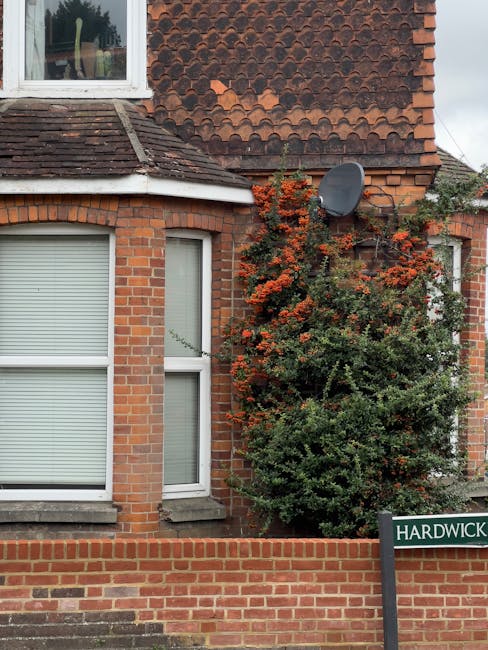
If you are planning a move in Harold Wood, the parking side of the job can be just as stressful as the lifting, packing, and timing. That is why understanding Havering Council permit rules for Harold Wood house moves matters so much. A van that cannot stop near the property, a loading bay that is already full, or a street that needs extra space can turn a calm moving day into a messy one pretty quickly.
This guide explains the practical side of moving in and around Harold Wood in plain English. You will learn when permits may be needed, how they usually affect loading and unloading, what to check before move day, and how to avoid the little mistakes that cause delays. To be fair, most people only think about permits once the van has already arrived. By then, it is a bit late.
Along the way, we will also cover local move planning, narrow access, safety, and a few smart ways to cut the stress. If you are comparing moving options, you may also find it useful to read about Harold Wood Park Estate access and van tips and van solutions for narrow stairs in Harold Wood flats later on.
Why Havering Council permit rules for Harold Wood house moves Matters
Parking and loading in residential streets are not just a minor detail. In Harold Wood, many streets are busy at school-run times, around station traffic, and during weekend moving windows. If your removal van blocks a road, sits in a restricted bay, or cannot stay where the crew expected, everything slows down. Sometimes a whole move turns into a long carry from the wrong side of the street. That is tiring, risky, and honestly annoying.
Permit rules matter because they affect:
- where the van can legally stop
- how long loading or unloading can take
- whether access stays clear for neighbours, emergency vehicles, and pedestrians
- the chance of fines, complaints, or a forced re-park mid-move
There is also a wider planning benefit. When you know the parking conditions in advance, you can book the right-sized vehicle, choose the right time of day, and avoid unnecessary carrying distance. That is especially useful if you are moving furniture, a mattress, or anything awkward that really should not be lugged too far. If you are tackling bulky items, the advice in avoiding bulky waste fines in Harold Wood removal situations can help you plan what stays, what goes, and what gets moved properly.
Expert summary: the best moves in Harold Wood are usually the ones planned around access first and boxes second. If the van can park sensibly, everything else becomes easier.
How Havering Council permit rules for Harold Wood house moves Works
Let's keep this clear. Not every move needs the same level of parking control. Some homes have space on a driveway, some have generous side access, and some rely on roadside loading. The permit question usually comes in when a van needs to stop in a place that is controlled, restricted, or likely to inconvenience others.
In practice, the process often works like this:
- Check the property access - look at the road width, bay markings, kerb space, and whether there is any safe loading spot.
- Work out the van requirements - a smaller removal van may fit where a larger one cannot.
- Confirm whether a permit or dispensation may be needed - especially if the stop is in a controlled parking area or a loading restriction applies.
- Allow enough lead time - some arrangements can take longer than people expect, especially if the move is last-minute or during a busy period.
- Coordinate the move window - the loading slot should match your packing schedule, lift access, and key collection time.
There is a subtle but important point here: a permit is not always about the whole street. Sometimes the issue is a short stretch for loading only. Other times, the road layout means the van can stop briefly, but not stay for long. That is why local planning is so valuable. If you need a fast turnaround, a service like same day removals in Harold Wood can still work, but only if the access plan is realistic.
In our experience, the best approach is to think in layers: legal parking, practical loading, and human reality. The street may technically allow stopping, but if the van is 80 metres away and the lift is out, that is not really a smooth move. More like a workout with boxes.
Key Benefits and Practical Advantages
Getting the permit side right does more than keep you compliant. It makes the move feel calmer and much more organised. That matters on a day when there are keys to collect, children underfoot, kettles boiling, and someone asking where the tape has gone. Standard moving-day chaos, really.
- Shorter loading times: the van can park closer to the entrance, which cuts carrying distance.
- Less physical strain: fewer long carries means lower risk of drops, knocks, or tiredness.
- Better neighbour relations: a planned, tidy stop is easier for everyone to live with.
- Lower chance of delays: no last-minute hunt for parking while the crew waits.
- Reduced risk of penalties: you are less likely to run into parking enforcement issues.
Another big benefit is timing. A planned permit or loading arrangement can help you build a smoother sequence around cleaning, final checks, and furniture movement. If you are trying to stretch the day out without creating stress, pairing permit planning with good packing habits can make a noticeable difference. The advice in packing for a move with time-saving and space-saving strategies is a strong companion piece.
And if you are moving items into storage before your new place is ready, planning the road access properly can stop a difficult day from becoming an exhausting one. For that, see storage in Harold Wood and couch storage strategies from the pros.
Who This Is For and When It Makes Sense
Not every Harold Wood move needs the same level of parking planning, but several situations make permit awareness especially useful.
House movers with roadside access
If your home does not have a driveway, forecourt, or easy private access, your van may need to rely on the street. That is the most obvious case where permit or loading considerations come into play.
Families moving larger loads
When you have beds, wardrobes, white goods, and boxes of everyday life all heading out at once, the move becomes less forgiving. You do not want the van parked too far away. It is a practical issue as much as a legal one.
Flat movers and upper-floor properties
Flats often bring lift access, stair width, and shared parking into the picture. If the lift fails or access is awkward, the move gets harder very quickly. That is why a local plan matters. A useful related read is lift failure in Harold Wood moves and safe ground-floor options.
Students, sharers, and smaller moves
Even smaller moves can need parking thought. A compact move can still be delayed if the vehicle cannot stop nearby. If you are leaving halls, moving into a shared house, or shifting only a few bulky items, the details still matter. See student removals Harold Wood for a practical example of smaller-scale relocation support.
Maybe you are thinking, "Surely I can just wing it on the day?" Sometimes people do. And sometimes they spend forty minutes circling the block while a sofa sits in the hallway. Not ideal. If the move is time-sensitive, or the street is awkward, the permit question becomes a sensible first step rather than admin for admin's sake.
Step-by-Step Guidance
Here is a sensible way to handle permit and parking planning for a Harold Wood house move without overcomplicating it.
- Assess the property and road layout
Look at the entrance, pavement width, parking restrictions, and any obvious pinch points. In some parts of Harold Wood, the road can feel fine in the afternoon but much tighter during commuter hours. - List the vehicle needs
Think about van length, height, and how much room the rear doors need. A smaller vehicle may be less dramatic and sometimes far easier to place neatly. - Check if loading is likely to be restricted
Pay attention to bay markings, single yellow lines, residents' bays, or timed restrictions. If you are not sure, treat it as a warning sign and plan conservatively. - Set your move time around traffic pressure
Early mornings can help, but they also depend on key handover and school traffic. Mid-morning is often calmer, though not always. You know your street best. - Pack and label before the van arrives
Boxes stacked and ready by the door save time. A chaotic hallway is the enemy of a smooth loading plan. - Prepare the property for access
Clear the route, protect floors if needed, and move loose items out of the way. A clean access path is a quiet superpower. - Build in a small buffer
Ten or fifteen spare minutes can matter. One slightly stubborn wardrobe, one awkward landing, and suddenly the schedule is gone.
For moves where speed and organisation matter, man with a van Harold Wood and man and van Harold Wood options can be useful because they suit smaller or more flexible loading situations. If you are handling a full property, house removals Harold Wood may fit better.
Expert Tips for Better Results
Here are the practical habits that tend to make the biggest difference. None of them are flashy, but they save trouble.
- Do a parking walk-through the day before. Stand outside the property and picture where the van would actually sit. It sounds simple because it is.
- Measure the awkward bits. Low trees, narrow drive entrances, tight bends, and close-set parked cars can all matter more than people expect.
- Keep heavy items near the access point. Mattresses, sofas, and tables should be the first things positioned for loading. The best movers do not waste energy on unnecessary steps.
- Use the right crew for the right item. If something is unusually heavy or delicate, do not improvise. The dangers of poor technique are very real, as explained in kinetic lifting basics and the solo guide to lifting heavy things.
- Protect the floor and the route. Wet weather, old carpets, and tight hallways can make the move harder. Bit of care now saves repairs later.
One small but useful habit: label one box as the "parking and access" box. Put keys, any notes, spare tape, and contact details in it. It keeps the admin bits together when everything else is getting shuffled. Slightly nerdy, yes, but helpful.
If your move involves sofas, beds, or a freezer, there is extra value in getting the handling right. Have a look at bed and mattress moving tips and how to securely store a freezer between uses.

Common Mistakes to Avoid
Most moving problems are not dramatic. They are little oversights that snowball. The good news? They are easy enough to avoid once you know what to look for.
- Leaving parking decisions until the morning of the move. This is the biggest one. It creates panic and narrows your options.
- Assuming a van can fit anywhere a car can fit. It usually cannot. Door swing, loading height, and street width all matter.
- Forgetting to plan for unload time. The destination matters too, not just the pickup address.
- Overpacking the van booking window. If the loading slot is too tight, a permit issue becomes much worse.
- Ignoring flats, stairs, and lift access. Parking and internal access go together. You cannot separate them in practice.
There is also the emotional mistake: telling yourself it will "probably be fine." Sometimes it is. But the days that go best are usually the ones with a boring amount of planning. Boring is good here.
If you are trying to avoid wasted trips and reduce the risk of bulky-item headaches, the move planning advice in decluttering techniques for a stress-free move can help slim the load before the van arrives.
Tools, Resources and Recommendations
You do not need a giant toolkit, but a few simple items and habits make local move planning much smoother.
- Notebook or move sheet: for access notes, key times, and any parking observations.
- Measuring tape: useful for doors, furniture, and tight entrance points.
- Labels and marker pens: they reduce confusion, especially on mixed-load moves.
- Blankets, straps, and wrapping materials: helpful for protecting furniture and preventing slippage.
- Cleaning kit: because a move almost always ends with a final sweep and a few fingerprints on the wall.
For packing materials and box planning, packing and boxes in Harold Wood is a useful place to start. For move-day support, removal van Harold Wood and removal services Harold Wood are also worth considering.
If you want a calmer head before the big day, a bit of mental preparation helps too. The article on staying calm while moving house is a good reminder that moving is partly logistics and partly nerves.
Law, Compliance, Standards, or Best Practice
Parking and loading for house moves in the Havering area should be treated carefully because road restrictions, traffic management, and local parking controls are not optional. Exact rules can vary by street and by the type of restriction in place, so it is sensible to check the details for the specific address rather than relying on a general assumption.
Best practice usually includes:
- planning access before booking the vehicle
- respecting any controlled parking or loading restrictions
- keeping footways and neighbours' access as clear as possible
- using a vehicle size that genuinely suits the street
- avoiding unsafe double-parking or blocking junctions
For removals firms, safety and careful loading are part of professional conduct as well as common sense. If you are comparing providers, it is smart to look at insurance and safety, health and safety policy, and terms and conditions. Those pages help set expectations around responsibility, handling, and service scope.
There is no single one-size-fits-all answer for every street in Harold Wood, and that is the point. A terrace road near the station can need a different approach from a wider residential cul-de-sac. So the best practice is careful, location-specific planning. Simple, but not always easy.
Options, Methods, or Comparison Table
When planning a house move, you usually have a few practical options for managing van access and parking. Here is a straightforward comparison.
| Method | Best for | Pros | Watch out for |
|---|---|---|---|
| Driveway or private access | Homes with off-street space | Fast loading, lower disruption, fewer parking worries | Not available for every property, and vehicle size still matters |
| Roadside loading with planning | Most residential moves | Flexible and often efficient when timed well | Must respect local restrictions and street layout |
| Smaller vehicle plus multiple runs | Narrow roads or tight access | Easier to park, more manoeuvrable | Can take longer and needs good organisation |
| Full removals crew with larger van | Whole-house or bulky moves | Efficient for heavy loads and complex items | Needs the best access planning of all |
If you live in a flat or a property with tighter access, flat removals Harold Wood can be a better fit than a generic service. And for those awkward heavy items that need specialist handling, piano removals Harold Wood is the safer route than a hopeful bit of DIY.
Case Study or Real-World Example
Here is a realistic local example. A family moving from a Harold Wood house with no driveway had planned a morning loading slot. The van was originally meant to stop close to the front door, but on the day there were more parked cars than expected and the space nearest the property was gone. Instead of forcing it and risking a penalty or a neighbour complaint, the move was reworked to a nearby legal loading point, with the heavier items loaded first and the lighter boxes staged by the hall.
It was not a dramatic story. No one heroically sprinted through the rain, and there was no cinematic music. But the move finished with fewer delays than it could have had, because the team had already thought through the "what if the best space is not available?" problem. That is the real lesson here.
The family had also decluttered beforehand, which meant fewer trips, less pressure, and no panic about whether a broken chair from 2009 needed to come along for the ride. They had used advice similar to the guidance in moving from RM3 local removals tips for Harold Wood homes and kept the final load manageable.
In the end, the move felt controlled rather than rushed. And that, honestly, is what most people want.
Practical Checklist
Use this checklist a day or two before moving.
- Confirm whether roadside access or private parking will be used
- Check the road for restrictions, loading bays, and likely pinch points
- Match the van size to the street and property access
- Set your loading and unloading times clearly
- Keep boxes packed, labelled, and ready near the exit
- Move fragile or awkward items separately if needed
- Protect floors, doorways, and tight corners
- Prepare keys, documents, and any access notes in one place
- Plan for storage if the new home is not ready yet
- Leave a buffer for traffic, lift delays, or parking changes
For larger or more complex moves, you can also compare removals Harold Wood, removal companies Harold Wood, and services overview pages to see what level of support fits your move best.
Get a free quote today and see how much you can save.
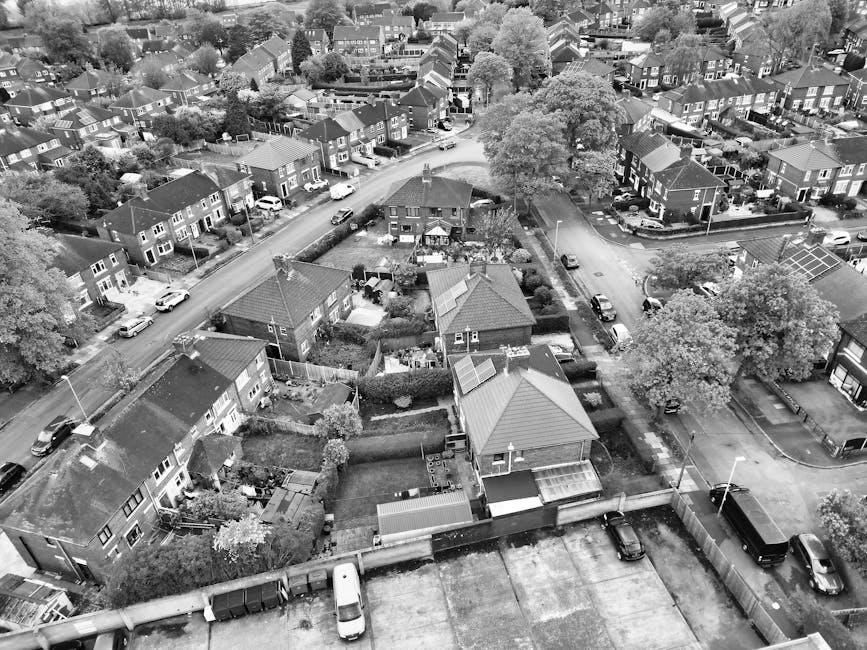
Conclusion
Understanding Havering Council permit rules for Harold Wood house moves is really about keeping your day simple, legal, and calm. Once you stop treating parking as an afterthought, the rest of the move becomes easier to manage. You can choose the right van, avoid unnecessary walking distance, and reduce the chance of a last-minute scramble.
The best moves are rarely the fanciest ones. They are the well-planned ones, the ones where the boxes are labelled, the route is clear, and the van has somewhere sensible to sit. Small details, big difference.
If you are moving soon, take a breath, check the access, and give yourself enough time to handle the parking properly. That little bit of preparation can save you a lot of noise, hassle, and backache on the day. And yes, your future self will be grateful. Probably with a cup of tea in one hand.