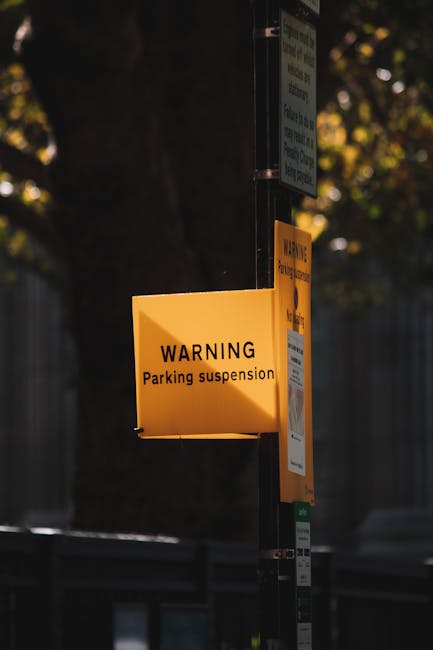
Road closure and parking suspension permits in Harold Wood
Posted on 12/07/2026

Road closure and parking suspension permits in Harold Wood: a practical guide for smoother moves and safer access
If you are planning a house move, a furniture delivery, or even a tricky flat clearance, Road closure and parking suspension permits in Harold Wood can make the difference between a calm moving day and a frustrating one. In a place like Harold Wood, where residential streets, station traffic, and tight access points can all collide at once, parking space is not something you want to leave to luck.
Truth be told, most moving problems do not start with the van itself. They start with access. A car is parked where the lift-out should be. A neighbour has boxed in the entrance. A road works crew has narrowed the lane. Then everything slips. This guide explains how permits, suspensions, and temporary road controls work, why they matter, and how to plan around them without drama.
Along the way, you will find practical steps, common mistakes, and a realistic checklist you can use before moving day. If your move involves bulky furniture, stairs, shared entrances, or a van that needs to stay close to the property, the advice here should save you time and a fair bit of stress.
Why Road closure and parking suspension permits in Harold Wood Matters
Road closure and parking suspension permits in Harold Wood matter because moving day depends on access more than people expect. A van may only need a short stay outside the property, but that short stay can become impossible if bays are full, a route is restricted, or a temporary suspension has not been arranged in time.
In practical terms, permits are about creating a controlled space for loading, unloading, and safe movement around the property. Without that space, your team may have to park farther away, carry items longer distances, or work around other traffic. That sounds manageable until you are carrying a wardrobe, a mattress, or a piano case in the rain. Not ideal, to say the least.
There is also the risk side. If a van blocks a junction, restricts emergency access, or causes complaints from residents, the move can become delayed or challenged. In busy residential pockets around Harold Wood, even a small delay can snowball into missed slots, additional labour time, and more pressure on everyone involved.
For many people, the real value is peace of mind. Knowing the space is sorted means you can focus on packing, keys, final cleaning, and all the other lovely moving-house jobs that somehow arrive at once. If you are also getting ready with packing strategies that save time and space, access planning becomes even more important because a well-packed move still needs somewhere sensible to land.
How Road closure and parking suspension permits in Harold Wood Works
At a simple level, a road closure limits traffic movement on a section of road, while a parking suspension temporarily removes or restricts parking in a marked area. In moving situations, these controls are used to reserve space, protect access, or support works that would otherwise make loading unsafe or awkward.
The exact process can vary depending on the street, the type of restriction, and the nature of the move. A parking suspension is often more relevant than a full road closure for a domestic removal, because most household moves only need the kerb space or a loading bay rather than an entire street shut down. A full closure is usually a bigger operational step and tends to be reserved for more disruptive activity.
In real life, the planning usually follows a common pattern:
- Assess the property access, loading point, and likely vehicle size.
- Check whether the road has regular congestion, limited waiting, or timed restrictions.
- Decide whether a parking suspension or alternative access plan is needed.
- Submit the request early enough for it to be processed and displayed properly.
- Put the move plan into action with signage, timing, and vehicle positioning in mind.
That last part matters more than people realise. A permit does not magically solve a bad plan. If the loading point is still blocked by bins, if the van is too long for the street, or if the crew has not been briefed, the paperwork alone will not rescue the day. You need the permit and the logistics working together.
When access is awkward, it can help to read up on local move planning too, especially guidance like Harold Wood Park Estate moves access and van tips or the article on Havering Council permit rules for Harold Wood house moves, both of which are useful context when you are lining up a domestic move.
Key Benefits and Practical Advantages
The benefits are pretty straightforward, but they are worth spelling out because each one helps in a different way.
- Closer van access: Shorter carrying distances reduce handling time and physical strain.
- Safer loading and unloading: Fewer obstacles mean fewer rushed steps and fewer bumps into doorframes, kerbs, or other vehicles.
- Better timing control: A reserved space gives the move a clearer start and finish window.
- Less risk of fines or complaints: You are less likely to overstay in a restricted area or inconvenience neighbours.
- Lower stress on moving day: Small frustrations pile up fast; removing one major access problem can make the whole day feel calmer.
There is also a practical knock-on effect for fragile or awkward items. If the van can park nearer to the entrance, items such as a sofa, freezer, or wardrobe are handled fewer times. That matters. Every extra lift adds a little more risk, and nobody wants to learn that lesson halfway down a narrow drive.
For heavier or specialist items, access planning pairs well with the right moving help. If you are shifting bulky furniture, furniture removals in Harold Wood can be a more sensible route than improvising with multiple trips. If the load includes a piano, the risk level rises again, so it is worth reading why moving a piano without help is risky before you decide on the plan.
Who This Is For and When It Makes Sense
These permits are not only for large house moves. They are useful for a surprising range of real-world situations in Harold Wood.
Typical readers who may need them
- Homeowners moving out or into a property with limited kerb access.
- Tenants leaving flats where the only practical loading point is on-street.
- Families moving furniture, appliances, or storage items in one visit.
- Students with shared housing or awkward parking near the property.
- Office teams moving desks, filing, and equipment without a loading bay.
- Anyone coordinating same-day removals where time and space are tight.
It is especially useful when the street is narrow, vehicles tend to park tightly, or you have stairs and a long carry route. If you are dealing with a flat, the space outside the building can be just as important as the staircase inside. That is why some readers also find narrow-stairs van solutions for Harold Wood flats helpful alongside the parking plan.
Sometimes the best time to arrange a suspension is not when the move feels urgent, but when you first notice the access problem. If you are thinking, "We'll sort the parking on the day," that usually means you are already running late. Not always, but often enough.
Step-by-Step Guidance
Here is a practical way to approach Road closure and parking suspension permits in Harold Wood without turning it into a headache.
- Map the access point. Stand outside the property and look at the actual route from van to door. Measure with your eyes first, then with a tape if needed. Is there room to open doors? Can a long vehicle sit safely without blocking driveways or corners?
- List the constraints. Note yellow lines, resident bays, school-run traffic, busier junctions, overhead obstructions, tight bends, or places where a vehicle would stick out too far.
- Decide what is really needed. For most domestic moves, a parking suspension or temporary loading arrangement is usually more relevant than a full road closure. Keep the solution proportional to the job.
- Build the move window around the permit. Try to align arrival, loading, and departure so the vehicle is not sitting there longer than necessary. That reduces friction and keeps the day moving.
- Brief everyone involved. Make sure the movers, driver, and anyone in the property knows where the van will stop, which door to use, and what happens if the space is taken by another vehicle.
- Prepare a fallback plan. If the exact spot is unavailable, know where the nearest safe alternative is. A nearby loading area is much better than a rushed, improvised stop in the middle of the road.
A good way to think about it: the permit is not the finish line. It is the tool that makes a workable move possible. The rest is coordination.
If you are also decluttering before the move, decluttering techniques for a stress-free move can reduce the load and shorten the time the vehicle needs to be in place. That is one of those small wins that pays off twice.
Expert Tips for Better Results
Most permit problems are preventable with a little practical thinking. Nothing fancy. Just the sort of sensible details people skip when they are in a rush.
- Plan for the vehicle, not the wishful version of the street. A van that fits in theory may still be a pain in real life if cars are parked nose-to-tail.
- Think about carry distance as a labour cost. Ten extra metres can be fine. Fifty extra metres starts to bite.
- Use early morning or calmer time windows where possible. Around station traffic and commuter peaks, parking pressure can jump fast. If your move is near the station area, best times for stress-free removals near Harold Wood Station are worth considering.
- Pack with the loading point in mind. Keep essentials accessible so the van does not need to stay open any longer than necessary.
- Make bulky items exit-ready. Sofas, beds, and large wardrobes should be dismantled or protected beforehand. It sounds obvious, but once the clock starts ticking, obvious things get forgotten.
Small human detail, but true: when people leave the hard planning until the morning of the move, they usually end up carrying extra stress along with the boxes. Better to sort it the day before, kettle on, labels done, nerves a bit calmer.
If you want a steadier moving day overall, it can also help to read how to stay calm while moving house. Slightly poetic title, yes, but the practical advice behind it is useful.

Common Mistakes to Avoid
Here are the errors that cause most avoidable delays or awkward conversations on the kerb.
- Leaving it too late. If you wait until the van is already booked, your access options shrink quickly.
- Assuming parking will be fine because it usually is. Moving day is not a normal day. Other drivers, bins, deliveries, and road works change the picture.
- Not checking for width and turning space. A van may reach the road but still struggle to position safely.
- Ignoring neighbours and shared access. A quick heads-up can avoid tension, especially in terraced streets or blocks of flats.
- Failing to coordinate with heavy-item handling. A permit helps with access, but it does nothing to reduce lifting risk if the item still needs two people and proper technique.
- Using the wrong size vehicle. Too small means multiple trips. Too large means you may create a parking problem that was not there before.
One more thing: do not confuse being near the property with being ready to unload. Sometimes a van can be physically close but operationally useless because doors, stairs, gates, or parked cars block the path. That kind of near-miss happens more than people admit.
If you are handling a loft or upper-floor move, the article on safe ground-floor options when lifts fail is a useful companion read, because access problems rarely arrive in isolation.
Tools, Resources and Recommendations
You do not need a complicated toolkit, but a few practical items help a lot when access is tight.
- Tape measure: Useful for checking vehicle clearance, furniture dimensions, and door widths.
- Simple floor plan or sketch: Even a rough drawing helps everyone understand the loading point and route.
- Labels and marker pens: Keep the load sequence sensible so the most important items are closest to the door.
- Protective covers and straps: Helpful for large furniture and items that need stable handling on a short carry.
- Phone photos of the street: Handy for showing where the loading space is, especially if someone else is arranging the job.
For a move that includes boxes, small furniture, or short-notice arrangements, it can also make sense to browse packing and boxes in Harold Wood and same-day removals in Harold Wood. Those pages sit naturally beside access planning because the speed of the move and the space available are closely linked.
If budget planning is part of the decision, pricing and quotes can help set expectations before you commit. And if the move includes items you do not need right away, storage in Harold Wood can be useful for reducing pressure on the first day in the new place.
Law, Compliance, Standards, or Best Practice
While moving arrangements are not glamorous, they do sit inside a framework of local parking control, road use, and safety expectations. You should treat the permit process carefully and avoid assuming that informal arrangements will be accepted if the street is restricted.
Best practice in the UK usually means the following: apply early, use accurate location details, respect signage, keep the loading area clear, and make sure the vehicle is positioned safely. If a road closure or suspension is required, the plan should be clear to anyone using the street, including residents, visitors, and service vehicles.
It is also sensible to respect nearby residents and businesses. A move that seems small to you can still disrupt a school run, a delivery slot, or a neighbour trying to leave for work. That does not mean you should avoid doing it; it just means you should do it neatly.
For anyone using professional movers, it helps to choose a team that understands traffic management, handling safety, and local access pressure. Pages such as health and safety policy, insurance and safety, and services overview offer reassurance around how a provider approaches the practical side of the job.
One useful rule of thumb: if the street needs special treatment, treat the planning with special care. Simple as that.
Options, Methods, or Comparison Table
Not every move needs the same access solution. Here is a practical comparison of the most common approaches.
| Option | Best for | Strengths | Limitations |
|---|---|---|---|
| Parking suspension | Most household moves, short loading windows | Creates space near the property, keeps the move efficient | Still needs careful timing and correct vehicle positioning |
| Temporary loading plan | Moves with flexible access and minimal traffic pressure | Simple, often sufficient for lighter jobs | May not help if parking is heavily restricted |
| Road closure | More disruptive works or special access needs | Highest level of control over the street | Usually more complex than most home moves require |
| Alternative parking off-street | Properties with driveways, private forecourts, or rear access | Less reliance on street controls | May still require longer carrying distances |
For many Harold Wood moves, the sensible answer is not the most dramatic one. It is the one that gets the van closest to the door without creating fresh problems. That is usually the sweet spot.
If you are still deciding how big the move will be, comparing man with a van in Harold Wood, man and van in Harold Wood, and removal van in Harold Wood can help you match access needs to the right vehicle style.
Case Study or Real-World Example
Here is a realistic example based on the kind of moving-day situation people often face in Harold Wood.
A couple moving from a first-floor flat had a sofa, a bed frame, boxes, and a freezer to take out in one morning. The street outside was busy, and several cars regularly parked along the kerb. Without a reserved space, the van would have had to park far away, which meant a long carry and a higher chance of snagging furniture on gates and corners.
They planned ahead, checked the route from flat to van, and paired the access plan with good packing and a sensible load order. They also used advice from bed and mattress moving guidance and freezer storage tips so the heavier items were ready to go without delay.
The result was simple: less backtracking, fewer pauses at the stairwell, and a calmer handover. Nothing magical. Just good planning and the right access arrangement. That is usually how the best moves go, actually. Quietly efficient.
Practical Checklist
Use this checklist before moving day. It is short on purpose.
- Confirm the exact address and access point for loading.
- Check whether the street has parking restrictions or narrow sections.
- Decide whether a parking suspension or road closure is really needed.
- Measure bulky furniture and check the carry route.
- Brief the mover or driver on where to park and where to unload.
- Keep the loading path clear of bins, bikes, and loose items.
- Plan for neighbours, shared entrances, and time-sensitive traffic.
- Prepare a backup spot in case the primary area is blocked.
- Finish packing essentials separately so the van can leave on time.
- Review handling needs for heavy, awkward, or delicate items.
If you are feeling a bit overwhelmed, that is normal. Moving is one of those jobs that looks manageable right up until the last 20 per cent, where everything gets oddly emotional and oddly physical at the same time. You are not alone in that.
Get a free quote today and see how much you can save.
Conclusion
Road closure and parking suspension permits in Harold Wood are not just paperwork. They are part of a smoother, safer, more organised move. When access is sorted properly, everything else becomes easier: lifting, loading, timing, and even the mood of the day.
The best approach is usually simple. Understand the street, choose the lightest-touch solution that will actually work, and plan the move around real access rather than wishful thinking. If you combine that with careful packing, sensible lifting, and a clear van position, you give yourself a much better chance of a calm, tidy move.
And if the day still feels a bit much, that is okay too. The point is not to make moving glamorous. The point is to make it manageable.
Sometimes that is enough, and honestly, it is more than enough.