Avoid bulky waste fines in Harold Wood: removal solutions
Posted on 02/06/2026
Avoid Bulky Waste Fines in Harold Wood: Removal Solutions
If you've ever stood beside a sofa, old wardrobe, broken desk, or an overflowing pile of renovation waste and thought, "Where on earth is this meant to go?", you're not alone. Avoid bulky waste fines in Harold Wood: removal solutions is not just a search for convenience; it's about staying on the right side of local disposal rules, saving yourself a headache, and getting rid of heavy items without turning your driveway into a problem spot. In Harold Wood, the safest route is usually the one that is planned, documented, and handled properly from the start.
This guide breaks down the practical choices available, what tends to cause fines, how removal services help, and how to make a sensible decision for your home, flat, rental property, or business. No fluff. Just the real-world stuff that helps you avoid mistakes.
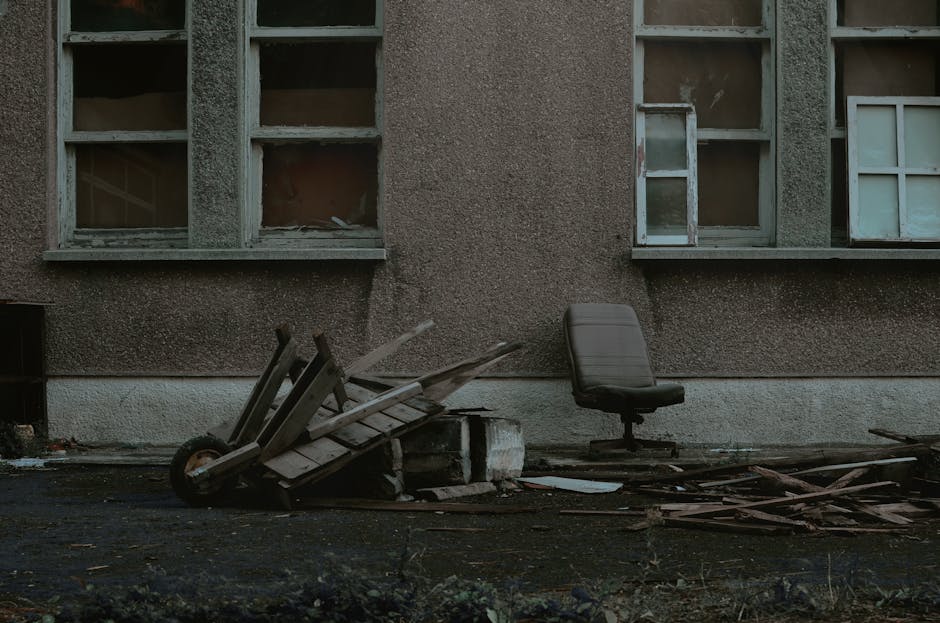
Why Avoid Bulky Waste Fines in Harold Wood: Removal Solutions Matters
Bulky waste fines usually happen when items are left somewhere they should not be, arranged badly for collection, or handed to the wrong type of operator. In plain English: if a mattress ends up on the pavement, a broken wardrobe is dumped by a bin store, or a load is given to someone who cannot show where it will be taken, you can end up with a mess and a bill. That is the part people forget. The waste itself is one issue; the record of what happened to it is another.
Harold Wood is a busy part of east London with a mix of family homes, flats, rented properties, and commercial spaces. That means bulky waste comes in all shapes and sizes. One house move might involve an old three-seater sofa and a freezer. Another might include office chairs, filing cabinets, and packaging from a refit. Truth be told, bulky items are awkward mainly because they are awkward: they do not fit neatly into a normal bin system, and they often need lifting, sorting, transport, and a disposal route that is properly managed.
When residents take a shortcut, the risks rise quickly. A poor decision can lead to:
- fly-tipping concerns
- complaints from neighbours or building managers
- damage to walls, stairwells, lifts, or shared entrances
- extra charges if the item is not collected correctly
- avoidable stress during an already busy move
For many people, the better option is a planned removal solution, especially when items are too large for a car, too heavy to shift alone, or too time-sensitive to leave lying around. If you're already tackling a move, it can also help to combine disposal with other services like man and van support in Harold Wood, furniture removals, or even same-day removals when the timing is tight. That combination saves energy. And, frankly, your back will thank you.
How Avoid Bulky Waste Fines in Harold Wood: Removal Solutions Works
The basic idea is simple: identify the items, choose the right collection method, and make sure they are moved and disposed of responsibly. The details matter more than people think.
A proper bulky waste removal process usually follows a few steps:
- Identify the items you need removed. This might include beds, wardrobes, sofas, white goods, desks, shelving, carpets, garden furniture, or mixed household clutter.
- Separate reusable items from damaged waste. A service may be able to move or store some things rather than throw everything away. If you're unsure, a guide like decluttering before a move can make this stage far easier.
- Check access for stairs, parking, tight turns, and loading space. In Harold Wood, access can be the thing that turns a quick job into a longer one. There are useful local notes in Harold Wood Park Estate access and parking tips.
- Choose the collection type that matches the waste volume and urgency. A smaller load may suit a man and van approach, while bigger or more awkward loads may need a more structured removal.
- Confirm handling and disposal so you know where the waste goes. Responsible operators should separate recyclable material where possible and avoid careless dumping.
- Arrange a clean handover if the items are leaving a property you are renting, selling, or handing back after a tenancy.
It sounds straightforward, but the real value is in the planning. A chipped wardrobe moved through a narrow hallway at 7:30 in the morning is not the same as a single chair picked up from a driveway. One needs more care, more protection, and usually more than one pair of hands.
For larger items like sofas, beds, and awkward furniture, the safest route is often to combine disposal with specialist handling. You can also read more about protecting items before removal through sofa storage and preservation tips or mattress moving guidance if the item still has a second life in it.
Key Benefits and Practical Advantages
There is more to this than avoiding a fine. Good waste removal gives you breathing room, tidier spaces, and a much smoother move or clear-out.
1. Less risk of enforcement trouble
When bulky waste is handled through the right channels, you dramatically reduce the chance of it being mistaken for fly-tipping or illegal dumping. That matters in shared streets, estates, and busy residential roads where one badly placed item can cause problems very quickly.
2. Faster property turnaround
Estate agents, landlords, and tenants often need properties left clear and presentable. Removing bulky waste promptly can speed up handovers and help avoid awkward last-minute scrambles. If you're already dealing with packing, the article on saving time and space while packing may help you get organised.
3. Better safety
Old furniture and broken appliances are a hazard. They trip people, snag fingers, and can collapse in awkward ways. A freezer or heavy cabinet in the wrong place is not just inconvenient; it can be genuinely unsafe. For appliance handling, see how to store a freezer safely between uses.
4. A cleaner environmental outcome
Responsible removal is not the same as "just taking it away." A good operator should aim to keep reusable or recyclable items out of landfill where possible. That is where a service with a sustainability focus makes sense, such as recycling and sustainability guidance.
5. Less physical strain
Bulky waste is heavy for a reason. It is bulky. That means larger loads, odd shapes, and a greater chance of injury if you try to do everything yourself. The article on safe lifting technique is worth a look if you're weighing up the DIY route.
Expert summary: if bulky waste is awkward, urgent, or located in a property with poor access, a planned removal solution is usually cheaper in the long run than a rushed DIY disposal attempt that ends in damage, delays, or penalties.
Who This Is For and When It Makes Sense
This is for anyone in Harold Wood who has bulky items to remove and wants the job done properly. That might sound broad, but the practical situations are surprisingly varied.
- Homeowners clearing out old furniture after redecorating or downsizing
- Tenants preparing for check-out and trying to avoid deductions or hold-up
- Landlords and letting agents dealing with abandoned items or end-of-tenancy clearances
- Students moving out of shared accommodation and disposing of unwanted belongings
- Small businesses replacing office furniture, filing units, or old stockroom items
- Families dealing with a garage clear-out, loft tidy, or inherited furniture
It makes sense when the item is too large for normal waste, too heavy for a quick solo lift, or too important to leave sitting around. A sofa in the hallway for three days is one of those things that looks manageable at first and then starts to feel oddly enormous. You've probably seen that happen. By Wednesday it seems to have grown. Funny how that works.
It also makes sense when the space needs to be presented cleanly for sale, rental, or storage. If some of the items are staying but need to be kept safely, you might also benefit from storage options in Harold Wood and advice on protecting furniture during longer gaps between homes.
Step-by-Step Guidance
If you want a practical route through the process, keep it simple and methodical. No drama needed.
- Walk through the property and list every bulky item. Include items in lofts, sheds, garages, under-stair cupboards, and communal storage spaces. People miss at least one thing surprisingly often.
- Decide what stays, what goes, and what can be reused. Be honest here. If a chair is wobbly, scratched, and missing a screw, it may not be worth moving twice.
- Measure the items and the access route. Doorways, stairwells, lifts, parking distance, and narrow turns can all affect the job.
- Choose a suitable removal method. For mixed loads, a flexible van-based removal can be ideal. For particularly large or specialist items, a tailored service is safer. If piano disposal or relocation is involved, specialist handling is the wiser route.
- Prepare the waste. Remove loose contents, unplug appliances where needed, and separate hazardous or restricted materials if the removal provider asks you to do that.
- Book the collection with a clear description. The more precise you are, the fewer surprises there will be on the day. "Two sofas, one wardrobe, and a broken freezer" is much better than "some stuff."
- Make the collection area clear. Leave enough space so items can be carried out safely and without bumping walls or doors.
- Ask for confirmation of the disposal route. Good practice is about traceability, not just transport.
- Keep a record of the booking and receipt. Useful if you are a tenant, landlord, or business manager needing evidence of responsible clearance.
If your clearance is tied to a move, pairing it with a broader service can be very efficient. In particular, removals in Harold Wood or house removals can combine transport, loading, and disposal into one organised plan.
Expert Tips for Better Results
A few small choices make a big difference. This is where the job either feels smooth or turns into a long afternoon with nowhere to put the things.
- Book before the deadline. Waiting until the last day before a tenancy handover or council inspection is asking for stress. Early booking gives you more choice and usually calmer logistics.
- Bundle similar items together. Group soft furnishings, flat-pack pieces, and appliances separately so the team can load efficiently.
- Use the right-sized vehicle. An undersized van means extra trips, and extra trips mean more time, more effort, and sometimes more cost. A suitable removal van in Harold Wood is worth the planning.
- Protect shared areas. In flats and converted homes, use blankets, corner protection, or careful routing where needed. The walls in older buildings can be unforgiving. One scrape and everyone notices.
- Keep high-risk lifting to trained movers. The solo guide to heavy lifting exists for a reason, but some things should not be lifted alone. Pianos, large wardrobes, and glass-fronted cabinets are common examples.
- Check whether storage is the better bridge. If you are undecided about an item, short-term storage can buy time. That is often smarter than dumping something now and buying it again later. Storage in Harold Wood can be a practical middle ground.
One small, useful habit: take photos of bulky items before collection. Nothing fancy. Just enough to remember what went where, especially if the property has more than one room or multiple access points. Handy, and a little reassuring too.

Common Mistakes to Avoid
Most fines and headaches come from predictable mistakes. The good news? They are easy to avoid once you know what to watch for.
- Leaving items beside communal bins and assuming someone will sort it out. That is exactly how nuisance and enforcement issues start.
- Booking on price alone without checking what the service actually covers. Cheap can become expensive very quickly if the job is incomplete or poorly managed.
- Not checking access. A van may be available, but if it cannot park near the property, the job can take much longer than expected. For local context, see local RM3 moving tips for Harold Wood homes.
- Mixing accepted and non-accepted waste. Appliances, textiles, wood, metal, and electronics may need different handling depending on condition and destination.
- Forgetting about landlord or lease rules. In flats and managed estates, there can be building expectations about loading times, lifts, and skip or waste storage areas.
- Trying to shift everything solo. This is the classic one. It seems fine until the wardrobe catches the stairwell and suddenly you are negotiating with gravity.
To be fair, some people do not realise bulky waste is different from general rubbish until they are already halfway through a clear-out. That is normal. But once you know the difference, the rest becomes much easier.
Tools, Resources and Recommendations
You do not need a warehouse of equipment, but a few simple tools and habits make the work much safer and cleaner.
| Item or resource | Why it helps | Best use case |
|---|---|---|
| Heavy-duty gloves | Improves grip and protects hands from splinters or sharp edges | Wardrobes, shelving, broken panels |
| Furniture blankets | Reduces damage to items and walls during moving | Sofas, tables, cabinets |
| Tape measure | Helps you confirm access before the collection day | Flats, stairwells, narrow hallways |
| Straps or trolleys | Reduces strain and improves control | Appliances and awkward loads |
| Clear booking notes | Stops misunderstandings about item count and access | All bulky waste jobs |
For a better overall move day, it can also help to read about staying calm while moving house. That may sound a bit airy, but the practical advice in there is surprisingly grounded. Calm people usually pack better. Funny, that.
If the job involves a mix of furniture and boxed belongings, packing and boxes in Harold Wood can support the clearance so the bulky items are dealt with separately from the smaller ones.
Law, Compliance, Standards, or Best Practice
This area is worth handling carefully. You do not need to become a legal expert to avoid problems, but you should follow sensible UK waste best practice.
In general, the safest approach is to use a removal provider that can explain how waste is handled, avoid dumping, and keep the process traceable. If waste is handed to the wrong person or left irresponsibly, the original householder, tenant, or business can still face questions. That is why records matter.
Good practice usually includes:
- using a legitimate collection and disposal process
- keeping booking details or invoices
- separating recyclable items where practical
- avoiding obstruction of pavements, entrances, and shared spaces
- making sure any contractor behaves safely around the property
For moving-related work, safety and insurance also matter. A reputable provider should be transparent about how goods are handled, what is covered, and what happens if something goes wrong. If you want more detail on that side of things, the pages on insurance and safety, health and safety policy, and terms and conditions are useful reads.
There is also a practical compliance angle for businesses and landlords. Clear communication, documented collection, and respectful handling of shared spaces are not just polite; they help reduce disputes. Simple as that.
Options, Methods, or Comparison Table
Here is a straightforward comparison of the most common ways people handle bulky waste in Harold Wood.
| Method | Best for | Pros | Watch-outs |
|---|---|---|---|
| DIY transport | Very small loads, light items, people with access to a suitable vehicle | Can seem cheaper upfront, flexible timing | Higher physical effort, risk of damage, multiple trips, disposal mistakes |
| Man and van removal | Single-room clear-outs, mixed household items, small-to-medium loads | Flexible, practical, often quick | Needs a clear item list and access planning |
| Full removal service | Larger house moves, multi-room clearances, more complex handling | More structured support, better for heavy or awkward items | May be more than you need for a tiny job |
| Short-term storage then removal | Uncertain items, staged moves, renovation projects | Buys time, keeps spaces clear | Needs extra planning and a second step later |
| Specialist item handling | Pianos, very heavy furniture, delicate pieces | Safer, lower damage risk | Should not be treated like standard waste removal |
If you're torn between options, start with the load size and the access route. Those two details usually tell you more than anything else. A small amount of waste on the ground floor is one thing. The same items on the third floor of a flat with tight stair access is another story entirely.
Case Study or Real-World Example
A straightforward example: a Harold Wood household clearing out before a sale had a broken sofa, a wardrobe, a mattress, and a few boxes of mixed household waste. At first, the plan was to leave everything out over the weekend and sort it later. But the property had a narrow frontage, shared pavement access, and a tight completion deadline. Not ideal.
Instead, the items were grouped by type, the access route was checked, and the load was collected in one organised visit. The sofa and mattress were handled as furniture waste, while the smaller items were bagged and separated. The result was a clean handover, no clutter outside the property, and no need to chase a second trip. More importantly, the household avoided the kind of messy, half-finished situation that can trigger complaints or fines.
That is the key lesson, really. A little planning beats a lot of panic.
We have seen the same pattern with flat moves, too. If a tenant tries to move furniture and disposal items together without checking access, the whole day can unravel. Better to plan early, follow the route, and keep the space clear. The process feels calmer, and the outcome is usually better. Not glamorous, but effective.
Practical Checklist
Use this before booking or moving any bulky waste in Harold Wood.
- List every bulky item that needs removal
- Separate reusable, recyclable, and disposable items
- Measure access points, stairwells, and parking space
- Check whether any item needs specialist handling
- Confirm the collection date and time window
- Make sure the pickup area is clear and safe
- Keep records of the booking or receipt
- Protect floors, corners, and shared areas if needed
- Ask where the waste is likely to go after collection
- Plan storage if you are unsure about an item
- Use a trusted moving or disposal service for awkward loads
And if you're combining disposal with a move, a nearby local page like Gubbins Lane to Brentwood Road moving tips can help with route planning and van access thinking.
Get a free quote today and see how much you can save.
Conclusion
Avoiding bulky waste fines in Harold Wood is really about making better decisions before the waste leaves your property. Choose a removal method that matches the load, think about access, keep the process documented, and do not leave awkward items sitting around in shared or public spaces. That alone removes a lot of risk.
If the job includes furniture, white goods, or mixed household clutter, a planned removal solution is usually the least stressful route. It keeps you safe, keeps the property tidy, and helps you avoid the sort of "we'll sort it later" situation that tends to become a bigger issue by the end of the week.
Whether you're clearing out a flat, refreshing a family house, or dealing with business waste, the same principle applies: plan it properly, move it safely, and leave the place better than you found it. Small effort now. Much less trouble later.
And honestly, that's a relief you can feel the moment the last bulky item is gone.