Narrow stairs in Harold Wood flats? Van solutions that work
Posted on 10/06/2026
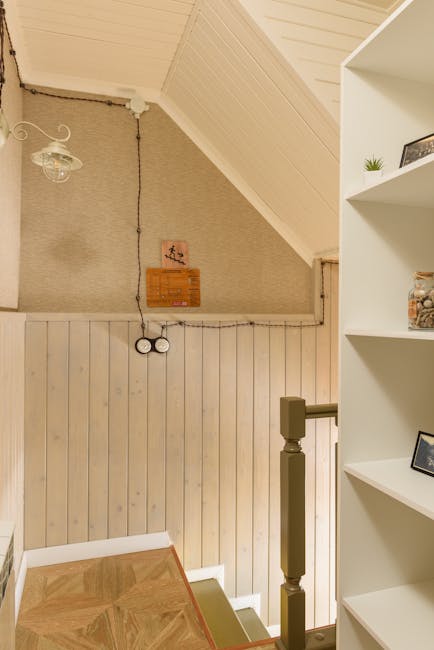
Moving out of a flat is awkward enough on a good day. Add a tight stairwell, a bend in the landing, a low bannister, and a sofa that suddenly seems to have grown overnight, and the whole thing can feel like a puzzle with one missing piece. If you are dealing with narrow stairs in Harold Wood flats, van solutions that work are not about brute force. They are about planning, the right vehicle, careful loading, and a realistic approach to access. That is what keeps people, furniture, and walls in better shape.
In this guide, we'll break down what actually helps in real homes, not just in theory. You'll see how a small removal van, a man and van setup, or a larger removal service can be matched to tricky access, what to do before moving day, and when to step back and let specialists handle the awkward bits. Truth be told, the best move is usually the one that looks slightly boring on paper and goes smoothly in real life.
Why narrow stairs in Harold Wood flats? Van solutions that work Matters
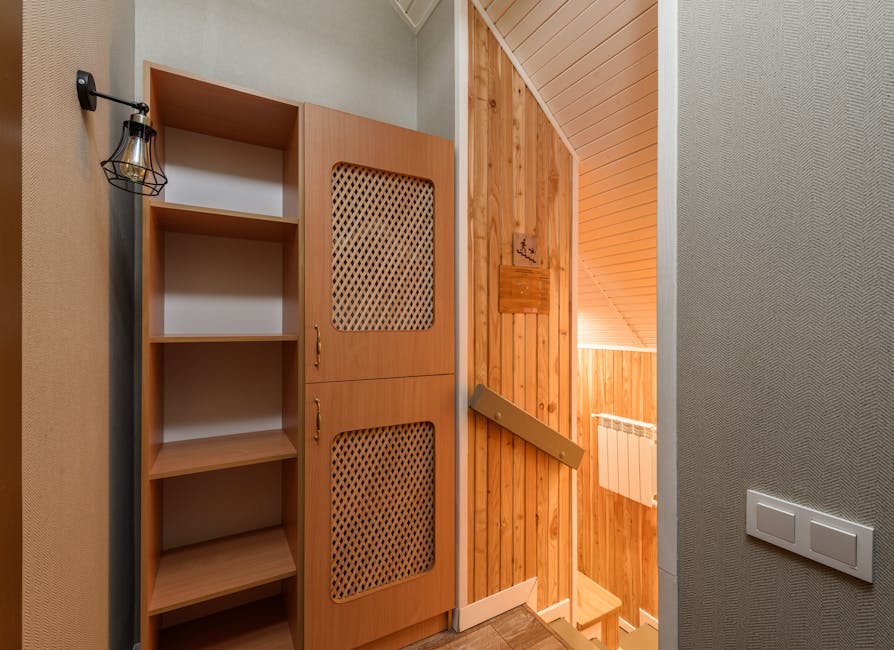
Narrow stairs change everything about a move. They reduce the margin for error, make turns more awkward, and increase the chances of scuffed paint, scratched furniture, or a strained back. In Harold Wood flats, that can mean older conversions, compact stairwells, shared entrances, or upstairs layouts where every corner seems a little too tight. Sometimes the staircase is not even the main issue; it is the landing, the ceiling height, or the angle of the front door in relation to the van.
Why does this matter so much? Because a move that looks "fine" from the car park can become a bottleneck as soon as the first item reaches the stairwell. A chest of drawers may need to be turned on edge. A mattress may need two people and a very patient pivot. And a fridge freezer? Let's not pretend that's fun. The real risk is that people rush once they realise access is tricky. That is when mistakes happen.
Careful planning is also what keeps the day from drifting into chaos. If you know the stairs are narrow, you can choose the right van size, decide what needs dismantling, and load the vehicle in a smarter order. That is the sort of small decision that saves time later. If you want a broader look at how the moving process can be made less frantic, the advice in this guide to staying calm while moving house fits neatly with this kind of planning.
How Narrow stairs in Harold Wood flats? Van solutions that work Works
The basic idea is simple: match the vehicle, crew, and loading plan to the building, not the other way round. With tight staircases, the van is only one part of the solution. The success comes from how the load is handled from the flat to the vehicle and back again.
First, items are assessed by size, weight, and shape. A bulky sofa may be easier to carry with straps and two movers if the stairwell allows a controlled tilt. A dining table may need legs removed. Tall wardrobes are often better dismantled before they meet the stairs at all. Once measured and checked, the move is planned around the item that is hardest to get through, not the easiest.
Next comes access. A smaller, more manoeuvrable van can be useful where parking is tight or the road is busy. That is especially helpful in flat moves where the unloading point is close to the entrance but the internal stairs are the problem. A larger van may still be the right choice if there are multiple items, but only if the loading plan prevents repeated lifting and wasted effort. In some cases, a combination of van choice and timed arrival makes the whole move smoother.
Finally, the carrying method matters. Professional movers use technique, not guesswork. They use straps, furniture blankets, gloves, dollies where appropriate, and a measured pace. A lot of the work is about control. One careful step on a narrow stair is better than three rushed ones. No heroics needed.
If you are packing beforehand, it also helps to organise items so the first things out are the easiest to carry. The ideas in packing for a move strategies to save time and space work well here, because careful packing reduces awkward lifting on the staircase.
Key Benefits and Practical Advantages
The biggest benefit is obvious: fewer problems on moving day. But there are several quieter advantages too, and honestly, these are the ones people tend to appreciate most afterwards.
- Less damage to walls and furniture. Narrow stairs leave little space for error, so a controlled plan protects both the property and the load.
- Faster loading and unloading. If items are pre-checked for access, the move flows instead of stalling at the staircase.
- Lower physical strain. Repeated turning, twisting, and carrying on stairs is hard work. The right van solution reduces that burden.
- Better use of a small flat footprint. A compact flat often means limited staging space. Efficient van access helps prevent clutter building up in the hallway.
- More predictable timing. When the hardest items are planned properly, you are less likely to lose half an hour trying to make a wardrobe fit where it plainly will not.
There is also peace of mind. People usually feel better once they know the awkward stairs are accounted for. That matters more than it sounds. Moving is already a lot. If you can remove one big uncertainty, the rest of the day feels easier.
Who This Is For and When It Makes Sense
This approach is useful for anyone moving from a flat with restricted stair access, but it is especially relevant if you are dealing with one or more of the following:
- older Harold Wood flats with tight internal turns
- upper-floor apartments with no lift or very limited lift access
- student flats with shared entrances and narrow communal stairwells
- furnished or part-furnished flats where large items still need to be moved carefully
- small household moves where one bulky item could hold everything else up
- same-day moves that need to happen quickly but still safely
It also makes sense if you are moving items individually rather than emptying a whole home. A single sofa, bed frame, mattress, or piano can be more difficult than a full set of boxes. In fact, that is often how these jobs go: a few items look manageable until they reach the stairs and everyone stops talking for a second. You know the moment.
For people who are weighing up whether to use a basic van hire, a man and van service, or a fuller removals team, it helps to think in terms of access difficulty rather than just volume. If the stairs are the issue, the whole service needs to be access-aware. The wider service options at services overview can help frame what type of support is most appropriate.
Step-by-Step Guidance
- Measure the stairs and key items. Check width, turning points, bannisters, and ceiling height. Measure your largest item too, not just the obvious ones.
- Identify the awkward pieces first. If the sofa, mattress, or wardrobe is the one item causing concern, plan around that from the start.
- Decide what should be dismantled. Furniture that can be broken down safely often moves more easily and with less risk.
- Pack the easy-to-carry items well. Use sturdy boxes, label them clearly, and keep them balanced. Heavy books in small boxes; lighter linens in bigger ones. Simple, but it works.
- Choose a van sized for access, not ego. A smaller van can be a better fit where parking or turning space is limited. Sometimes that wins the day.
- Reserve a clear route. Make sure the stairwell, hallway, and front entrance are as clear as possible on the day.
- Protect the property. Use floor coverings, blankets, or other protective materials where needed, especially on corners and narrow landings.
- Load in the right order. Put the biggest or most awkward items in first if they need the most space, then fill around them with boxes and lighter items.
- Move at a controlled pace. Rushing on stairs is the quickest way to turn a tight move into a problem.
- Do a final sweep. Check cupboards, sockets, under beds, and those odd little places where things always hide. Always.
If you want to pair the move with decluttering before the lift begins, take a look at decluttering techniques that make moving day lighter. Fewer items usually means fewer staircase battles. Simple maths, really.
Expert Tips for Better Results
There are a few things experienced movers tend to do without making a fuss. They do not rely on luck. They reduce the variables.
Tip 1: protect corners before the first item moves. Narrow staircases are unforgiving. One clipped corner can leave a mark that is very hard to ignore later in the evening.
Tip 2: keep the route dry and clear. A wet shoe on a stair is bad news. If it has rained, wipe the entrance and take a moment. That small pause is worth it.
Tip 3: use short, direct communication. On stairs, long explanations are not ideal. Simple calls like "stop", "tilt", and "clear" are far more useful. A tiny bit of rhythm helps too. One step, pause, turn, breathe.
Tip 4: separate fragile items early. Glass lamps, mirrors, screens, and odd-shaped decor should not be wrapped into the main flow if they need extra care. Keep them identified and handled separately.
Tip 5: plan the loading around the flat, not the van alone. If the flat is upstairs and the stairwell is tight, it may be worth placing the most difficult items closest to the exit in the van so they are not buried under boxes later.
There is also a practical lifting side to this. If movers are carrying heavier pieces through a stairwell, basic body mechanics matter. The guidance in kinetic lifting techniques is a useful reminder that smooth movement and balanced posture are not just nice ideas, they help keep people safe.
Common Mistakes to Avoid
Most staircase problems come from rushing or underestimating the building. That sounds obvious, but people still do it all the time.
- Assuming the stairwell will "probably be fine". Probably is not a plan.
- Choosing a van without checking parking and access. A van can be the right size for the load and still be the wrong fit for the street.
- Not measuring the largest item. A sofa that is two centimetres too wide can ruin a perfectly good schedule.
- Overpacking boxes. Heavy boxes become painful on stairs very quickly. Sometimes spectacularly so.
- Forcing furniture around corners. If an item does not want to turn, stop and reassess. Do not wrestle it into submission.
- Leaving dismantling until the last minute. That is how small jobs become frustrating ones.
- Ignoring safety gear. Gloves, lifting straps, and blankets are not fancy extras. They are useful.
A common one that catches people out is trying to do too much alone. The solo approach can work for small items, but stair moves are a different kettle of fish. If you are tempted to tackle everything yourself, read the solo guide to lifting heavy things first. It may save you some pain, and a few choice words too.
Tools, Resources and Recommendations
You do not need a van full of specialist kit to handle a flat move well, but a few practical tools make a very noticeable difference:
- Furniture blankets: for protecting frames, table edges, and stair rails from knocks
- Lifting straps: helpful for bulky items that need better control on stairs
- Hand trolley or sack truck: useful for ground-level movement, though less useful on narrow stairs themselves
- Stretch wrap and tape: keep drawers shut and loose parts together
- Labels and marker pens: make it easier to prioritise boxes once they reach the van
- Protective floor coverings: helpful in shared hallways or fresh-cleaned flats
For larger furniture pieces, it can help to read ahead before moving day rather than improvising on the stairs. Our guide on moving beds and mattresses like a pro is particularly useful if the stairwell is tight and the frame needs dismantling.
For people moving more specialised items, it is usually better to use a service with experience rather than guessing. Piano moves, for example, are in a different league. If that is part of your move, piano removals in Harold Wood are worth considering rather than trying to improvise on a narrow staircase.
Law, Compliance, Standards, or Best Practice
For a domestic move, the main concern is less about legal complexity and more about safe, sensible practice. Still, a few standards of behaviour matter. In the UK, movers and households are expected to take reasonable care to avoid injury and property damage. That means not blocking communal areas for longer than needed, not creating trip hazards, and not taking risks with load handling.
Where stairways are shared in flats, especially in multi-occupancy buildings, it is best practice to keep access routes as clear as possible and minimise disruption to neighbours. If you are in a managed block, you may also need to check building rules on parking, lift usage, or moving times. Those requirements vary, so it is better to confirm them early than to find out while standing at the front door with a mattress and a sigh.
From a safety perspective, movers should use appropriate lifting techniques, avoid overloading boxes, and assess whether an item needs two people rather than one. If a job feels unsafe, stopping and changing the plan is not a failure. It is normal. The principles in insurance and safety are a good reminder that protection and caution belong in the process from the start.
There is also a practical business side. Clear terms, transparent pricing, and secure payment arrangements are all part of a trustworthy moving experience. If you are comparing providers, it helps to understand the basics of payment and security before you commit.
Options, Methods, or Comparison Table
Different access situations call for different approaches. Here is a simple comparison to help you think it through.
| Option | Best for | Strengths | Watch out for |
|---|---|---|---|
| Small removal van | Limited parking, tight roads, smaller flat moves | Easy to position, efficient for awkward access | May need extra trips if there is a lot to move |
| Man and van service | Compact flat moves, one-off bulky items, quick turnarounds | Flexible, often well suited to stair-heavy jobs | Needs clear planning if the item count is larger than expected |
| Full removals team | More contents, multiple awkward items, higher complexity | More hands, better control, less strain on you | May be more than you need for a very small move |
| Same-day removals | Urgent flat moves, last-minute access issues | Fast response, useful when time has got away from you | Needs good communication, because same-day does not mean zero planning |
The right choice depends on the stairs, the parking, and the furniture itself. If you are moving from a flat with little room to stage items, a focused flat removals service in Harold Wood is often the most straightforward route. For smaller or lighter moves, a man with a van in Harold Wood may be enough and, to be fair, that can be the smartest option.
Case Study or Real-World Example
A common scenario goes like this. A tenant in a Harold Wood flat has a sofa, a bed frame, two wardrobes, and several boxes. The stairwell is narrow, the first landing is a sharp turn, and there is barely room for two people to pass. At first glance, it looks like a simple move. It is not.
The solution is usually to break the job into parts. The wardrobes are dismantled the day before. The bed frame is stripped and packed flat. The sofa is measured, padded, and carried with two movers using controlled angles. Boxes are sorted so the heaviest are packed small and the lightest are stacked last. A smaller van is used so unloading can happen close to the entrance. No one is sprinting. No one is guessing.
The useful part here is not that the move was dramatic. It is that it stayed calm. The tenant saved time, avoided damage, and did not spend the evening with a sore shoulder and a packet of painkillers on standby. Which, let's face it, is a pretty good result.
For local context, access and parking often matter just as much as the staircase itself. If you are moving near busier routes or station-side streets, the timing advice in best times for stress-free removals around Harold Wood Station can help keep the day moving. And if your route involves familiar local roads, the notes on Gubbins Lane to Brentwood Road move planning may be surprisingly handy.
Practical Checklist
Use this as a quick moving-day check before the van arrives.
- Measure the staircase width, landings, and any tight bends.
- Measure the biggest item that needs to pass through the route.
- Decide which furniture should be dismantled.
- Pack heavy items into smaller boxes.
- Label boxes clearly by room and priority.
- Clear hallway clutter and loose mats.
- Check parking space near the flat entrance.
- Protect walls, corners, and bannisters.
- Confirm the van size and arrival time.
- Keep a tool kit handy for last-minute adjustments.
- Set aside essentials you will need first at the new place.
- Walk the route once before moving heavy items.
And if you have a lot more to pack than you first thought, the support options at packing and boxes in Harold Wood can make the whole process a bit less frantic.
Conclusion
Narrow staircases do not have to turn a flat move into a nightmare. With the right van choice, careful measuring, sensible loading, and a bit of patience, the job becomes much more manageable. The real win is not just getting things out of the flat; it is doing it without damage, stress, or that sinking feeling when an item catches on the corner halfway down the stairs.
For Harold Wood flats especially, the best solution is usually the one that respects the building layout and the furniture at the same time. Small van, smart packing, good timing, proper lifting, and clear communication. Nothing flashy. Just solid, practical moving work that gets the day done properly.
If you are weighing up your options, or you want help making a tight staircase move feel a lot less awkward, a local team that understands flat access can make a real difference. And honestly, that extra breathing room is worth a lot.
Get a free quote today and see how much you can save.